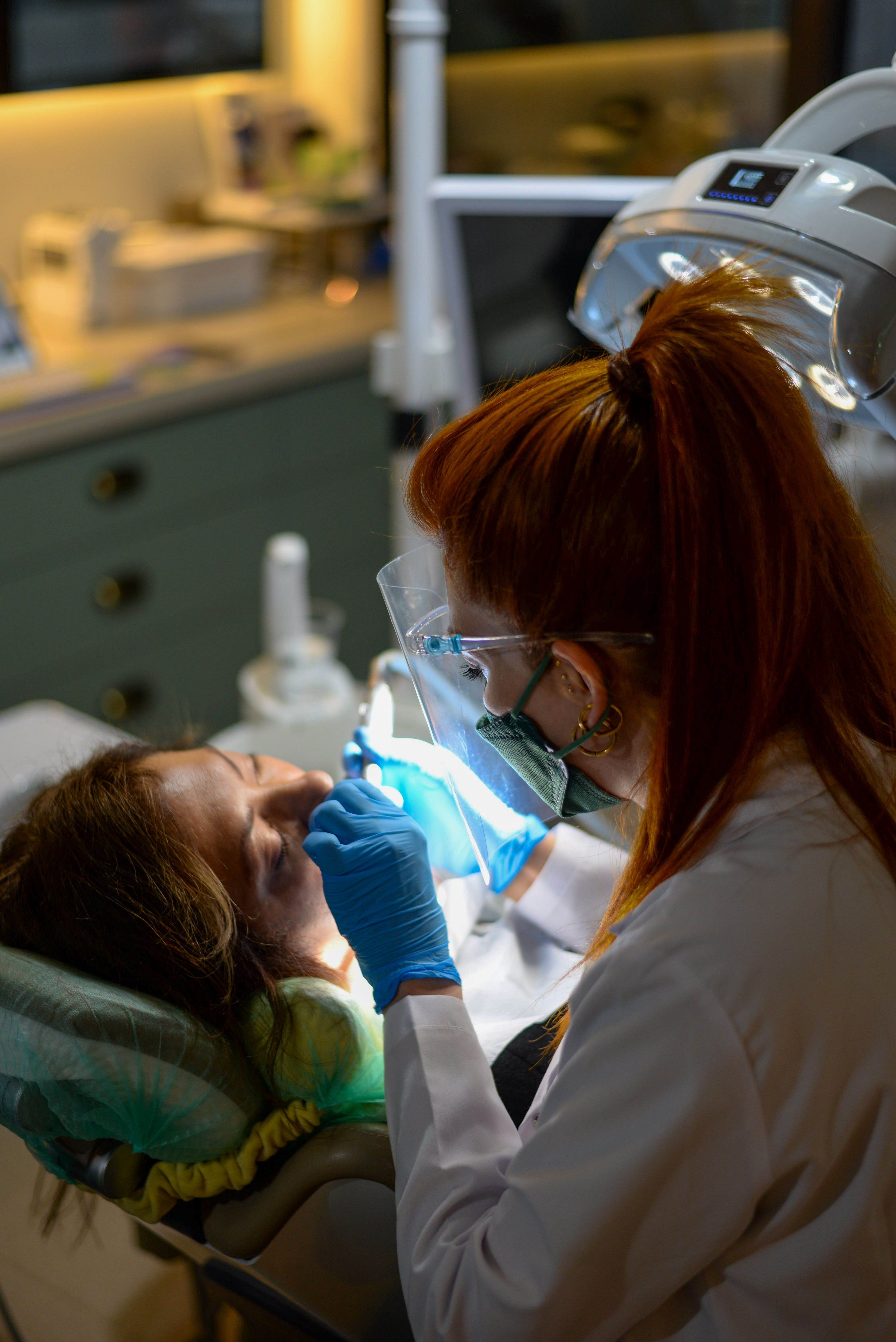
Mints and mouthwash treat the symptom for about twenty minutes and then the problem's back. Most patients assume bad breath comes down to brushing more, but the actual causes are often somewhere else entirely — a lot of them nothing to do with how clean your teeth look. Here's what's really behind it, from the team at Dental Wellness Mill Hill.
A get-to-the-root-of-it guide from the team at Dental Wellness Mill Hill
Q: If I brush and floss properly, why do I still have bad breath?
A: Because most persistent bad breath isn't coming from food debris at all — it's coming from bacteria breaking down proteins on the back of the tongue, in the gaps between teeth, or under the gumline where a toothbrush doesn't reach well. Brushing the visible surfaces of your teeth is only part of the picture. If the smell keeps coming back within an hour or two of brushing, that's usually a sign the source is somewhere your routine isn't currently reaching.
Q: Is it actually about my tongue?
A: For a lot of patients, yes, more than they'd expect. The back of the tongue has a rough surface that traps bacteria and food particles extremely well, and it's an area most people never clean at all. A tongue scraper or simply brushing your tongue gently as part of your normal routine can make a bigger difference to breath than an extra round of flossing.
Q: Could it be a sign of gum disease?
A: It can be, and it's one of the reasons we take reports of ongoing bad breath seriously rather than just recommending a stronger mouthwash. Gum disease produces a distinct odour caused by bacteria living below the gumline, and it often comes bundled with other symptoms like bleeding when you brush or gums that look slightly swollen or redder than usual. If that sounds familiar, it's worth having your gums properly checked at Dental Wellness Mill Hill rather than masking it with mints.
Q: What about things that have nothing to do with my mouth?
A: More than people realise. Sinus infections and post-nasal drip can cause a persistent odour that has nothing to do with your teeth at all. Certain medications reduce saliva production, and less saliva means less natural rinsing of bacteria, which allows odour to build up. Acid reflux can also bring stomach contents up into the throat, carrying a distinct smell with it. If we check your mouth and everything looks healthy, these are usually the next things worth ruling out with your GP.
Q: Does what I eat and drink actually matter that much?
A: Yes, more than most people expect, and not just from foods with an obvious smell like garlic or onions. Coffee dries out the mouth, which reduces the saliva that would otherwise be washing bacteria away. Low-carb diets can produce a distinct breath odour as the body burns fat instead of carbohydrates. Alcohol has a similar drying effect. None of these are harmful on their own, but they explain why breath can be an issue even on days when your diet feels otherwise unremarkable.
Q: Is dry mouth really that significant?
A: It's one of the biggest overlooked factors. Saliva does more than keep your mouth comfortable — it actively washes away bacteria and food particles throughout the day. When saliva flow drops, whether from dehydration, mouth breathing, certain medications, or simply talking a lot during the day, bacteria have far more opportunity to build up and produce odour. Staying hydrated and, where relevant, addressing mouth breathing can make a real difference.
Q: When should I actually get this checked professionally, rather than just trying another mouthwash?
A: If bad breath is persistent despite good brushing, flossing, and tongue cleaning, or if it comes with bleeding gums, a bad taste that won't shift, or visible changes to your gums, it's worth booking in. We can check for gum disease, tooth decay, or other dental causes, and point you in the right direction if the cause looks like it's coming from somewhere else in the body entirely.
Q: What can actually be done about it once we know the cause?
A: It depends entirely on what's driving it. Gum disease responds well to a proper hygiene clean and improved home care. Dry mouth can often be managed with hydration changes or specific products designed to stimulate saliva. Where the cause is outside the mouth, such as sinus issues or reflux, we'll point you toward the right next step rather than trying to treat something that isn't dental in nature.
If bad breath has been a recurring issue no matter what you try, the team at Dental Wellness Mill Hill can properly check your teeth and gums and help identify what's actually behind it.
Book online, call us on +44 20 3930 4900, or pop in and speak to our reception team.
Want more practical dental advice? Visit our YouTube channel for patient testimonials, treatment walkthroughs, and expert tips from the team at Dental Wellness.


.avif)

