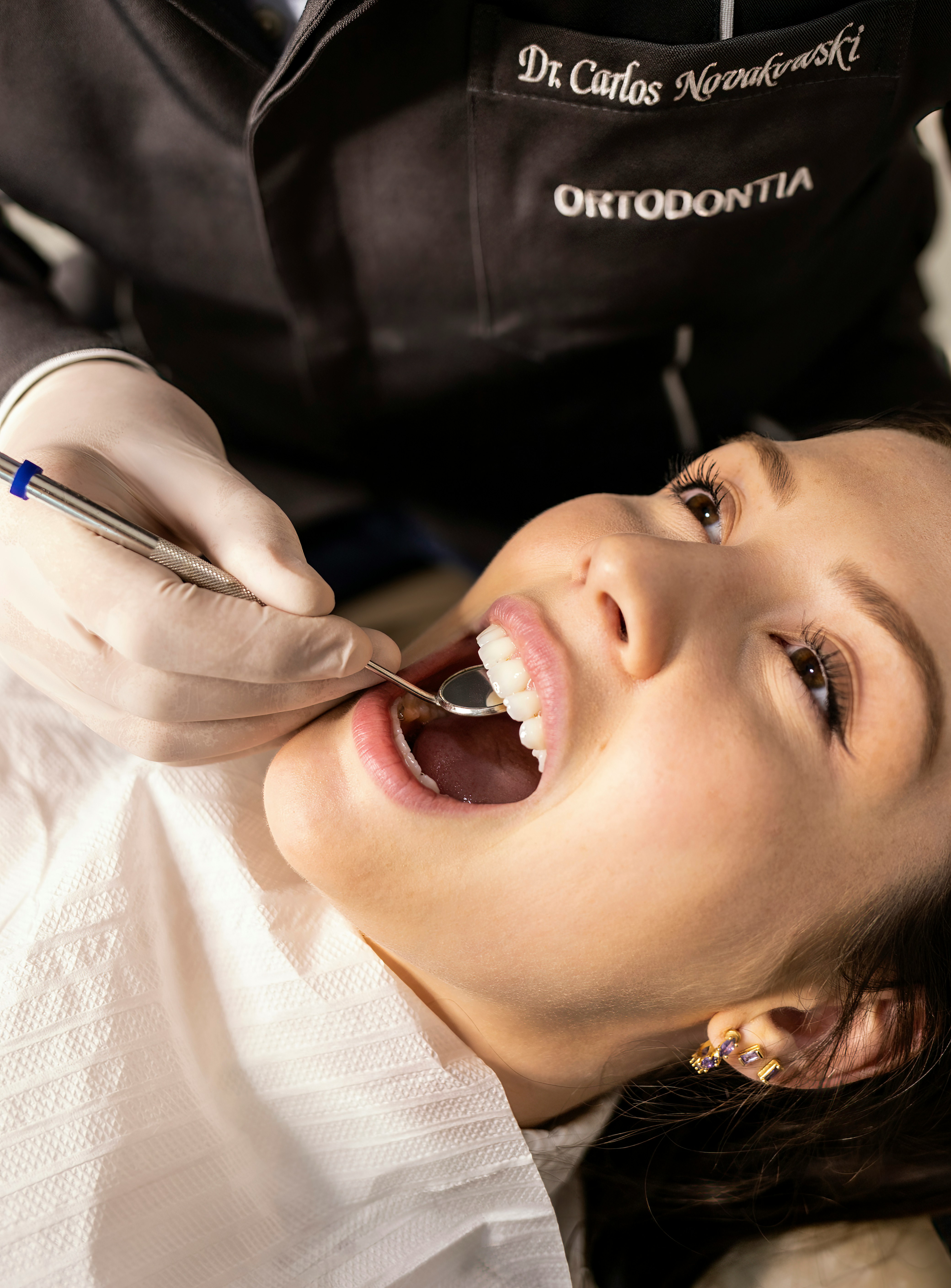
A chipped edge, a small gap that bothers you in photos, one tooth that never quite matched the others — not every smile concern calls for a full transformation, but plenty of patients aren't sure which cosmetic route actually suits what they want. Composite bonding and veneers both reshape and brighten a smile, though they go about it very differently, at very different price points. Here's how the team at Dental Wellness Mill Hill breaks it down.
A cosmetic dentistry guide from the team at Dental Wellness Mill Hill
Q: What's the difference between bonding and veneers, in simple terms?
A: Composite bonding is a tooth-coloured resin applied straight onto your natural tooth, sculpted into shape, and set with a curing light — all done in one sitting. Veneers are thin, custom-made shells, usually porcelain, fitted over the front of the tooth after a small layer of enamel has been prepared to make room for them, and they're generally made over two visits.
Put simply, bonding adds to what's already there, while veneers cover it with something new.
Q: How do I know which one suits what I want to change?
A: It comes down to scale. Bonding works well for smaller fixes — a chipped corner, a minor gap, an edge that's slightly uneven, or one tooth that stands out from the rest. Veneers make more sense when you're after a bigger, more uniform change across several teeth at once, bringing shade, shape, and alignment together for a full smile makeover.
We'll take a proper look at what's bothering you at your consultation at Dental Wellness Mill Hill and suggest whichever route gets you there with the least intervention.
Q: Which treatment is quicker?
A: Bonding, by some distance. Most cases are completed in a single appointment, sometimes within an hour, depending on how many teeth need work. Veneers take longer to plan and produce — usually two appointments with a few weeks in between while the shells are made in a dental laboratory. If a fast turnaround matters to you, bonding is the clear winner.
Q: How long will the results actually last?
A: Bonding tends to hold up for three to seven years before it needs replacing or touching up, since the resin is softer than natural enamel and can chip or pick up staining over time. Veneers last noticeably longer, typically ten to fifteen years and sometimes beyond that with good care, thanks to porcelain being harder and far more resistant to staining.
If you're weighing this up mainly on how long the result needs to last, that's often what tips the decision one way or the other.
Q: Will either treatment damage my own teeth?
A: Bonding is the gentler option of the two — little to no enamel is removed, and in most cases the process can be reversed later, since you're adding material rather than taking it away. Veneers involve preparing a small amount of enamel beforehand to make space for the shell, which means the change is essentially permanent, since that tooth will need a covering from that point on.
Worth factoring in if you'd rather not close off future options.
Q: Which looks more natural, long term?
A: Both can look genuinely excellent, but they age differently. Porcelain veneers closely mimic the translucency of real enamel and shrug off staining, so that natural appearance holds steady for years. Composite bonding can look just as convincing at first, but the resin is more porous than porcelain, so it's more prone to picking up staining from tea, coffee, or red wine over time, which sometimes means more frequent polishing to keep it looking its best.
Q: What's the cost difference?
A: Bonding usually comes in cheaper, often priced per tooth and lower overall than veneers for a similar number of teeth. Veneers cost more upfront because of the lab work and materials involved, but given they last considerably longer, the cost per year sometimes ends up closer than the initial price tag suggests. We'll set out a clear, itemised quote for either option at your consultation with Dental Wellness Mill Hill.
Q: Could I start with bonding and move to veneers later on?
A: Yes, and it's a route some patients take deliberately. Bonding lets you trial a change in shape or symmetry before committing to something longer-lasting. If the result works well and you'd rather have it last longer with less upkeep, veneers remain an option further down the line. Going the other way tends not to work as smoothly, since veneers involve removing enamel that bonding never touches.
Q: So how do I actually decide?
A: Weigh up how many teeth you want to change, how long you'd like the result to last, your budget, and whether you'd rather keep things reversible or make a longer-term investment. A short consultation, with photos and a proper look at your teeth in person, tells us far more than any general comparison can.
Whether you're after a quick fix for one tooth or thinking about a bigger smile refresh, the team at Dental Wellness Mill Hill can walk you through what bonding or veneers would realistically achieve, with no pressure either way.
Book online, call us on +44 20 3930 4900, or pop in and speak to our reception team.
Want to see real bonding and veneer results? Visit our YouTube channel for patient testimonials, treatment walkthroughs, and expert tips from the team at Dental Wellness.


.avif)

