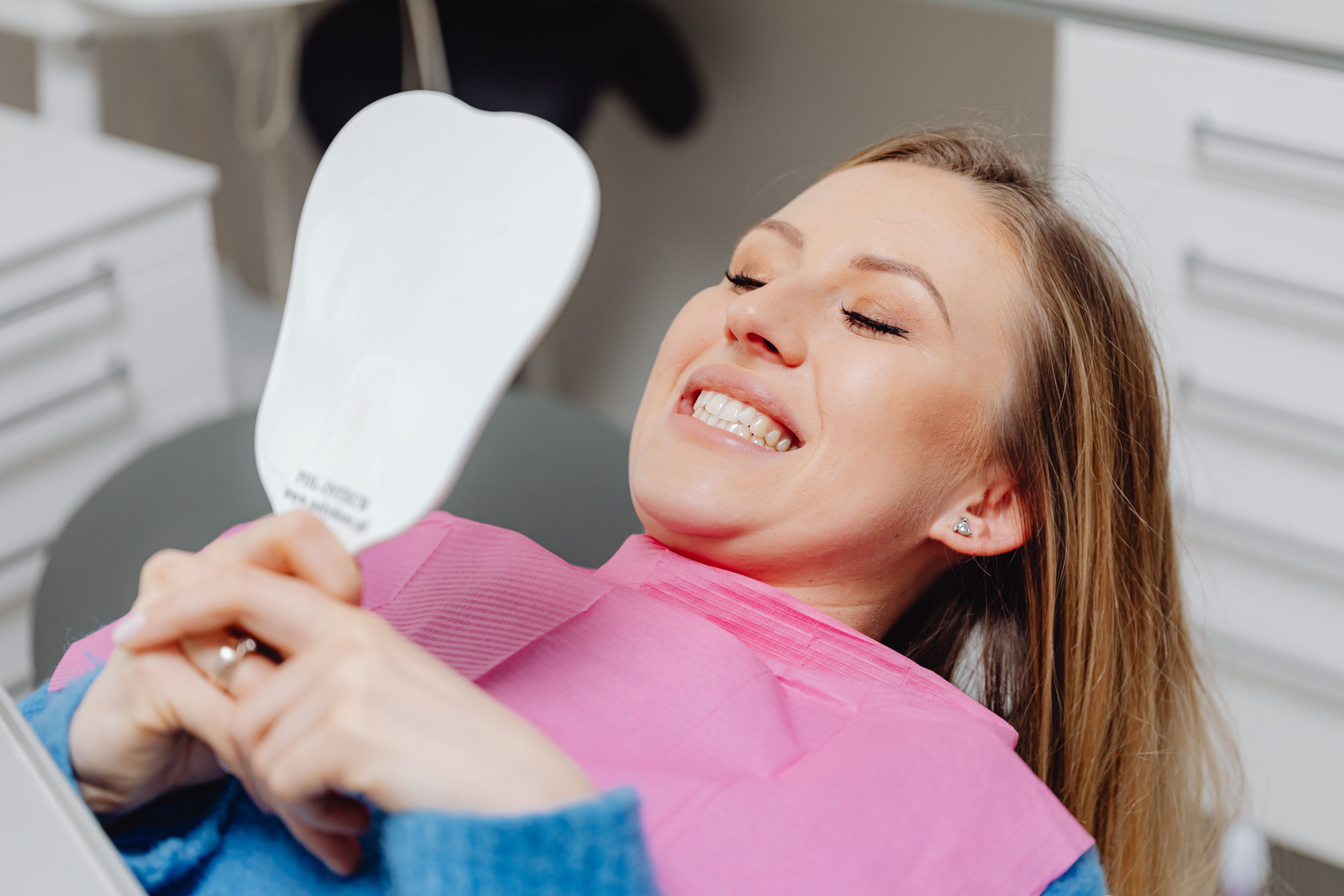
You form an opinion about someone within seconds of meeting them, and their smile is doing more of that work than almost anything else on their face. It's not vanity — it's wired into how humans read each other. Here's what the research actually says about smiles, confidence, and why so many people quietly avoid smiling in photos, from the team at Dental Wellness Mill Hill.
There's a moment everyone recognises: someone asks for a photo, and a specific kind of smile appears — lips together, mouth barely open, over almost before it started. It's not that the person isn't happy. It's that somewhere along the way, they decided their teeth weren't something to show.
That decision, small as it seems, has more psychology behind it than most people realise.
Research into first impressions consistently points to the same window: somewhere between three and seven seconds, most people have already formed a judgement about someone new — before a word has been exchanged. Facial expression is one of the heaviest inputs into that judgement, and a genuine smile is one of the fastest ways to register as warm, trustworthy, and approachable.
The catch is that a self-conscious smile reads differently to the brain than a genuine one. People are remarkably good, even unconsciously, at telling the two apart — and a held-back smile can come across as guarded or distant, even when the person behind it is neither.
Faces are processed holistically, but certain features draw more visual attention than others, and the mouth is one of the most heavily fixated-on areas during conversation, second only to the eyes. Discoloured, crooked, or damaged teeth aren't judged harshly out of unkindness — they're simply noticed, in the same automatic way we notice a stain on a shirt or scuffed shoes. Small, but visible.
This is part of why cosmetic dental concerns, even minor ones, weigh so heavily on people who have them. It's not really about vanity. It's about knowing something is being noticed, every single conversation, without being able to control it.
Here's where it gets interesting: people who are self-conscious about their smile don't just smile less. Research on self-perception and behaviour shows a broader pattern — people who feel insecure about a visible feature tend to adjust related behaviours too, speaking less animatedly, making less eye contact, holding back in social or professional situations where they'd otherwise engage more freely.
It becomes a loop. Feeling self-conscious leads to smiling less, which reads as less warm or engaged, which can subtly affect how people respond — which then reinforces the original self-consciousness. None of this is dramatic or obvious in any single interaction. It just quietly adds up over years of dinners, meetings, and photos.
This is the part that surprises most patients: breaking that loop rarely requires a dramatic transformation. A lot of what people are self-conscious about are things dentistry addresses easily — a stained front tooth, a small gap, one tooth that's slightly out of line with the rest. Composite bonding, a simple whitening treatment, or in some cases just a professional clean can shift how someone feels about their own smile far more than the size of the change might suggest.
At Dental Wellness Mill Hill, we regularly see patients come in for what they describe as a minor fix and leave saying they smile differently in every photo since. That's not an exaggeration people make up to be polite — it's a genuinely common response.
Studies looking at patient-reported outcomes after cosmetic dental treatment consistently find measurable increases in self-reported confidence and social ease, not just satisfaction with appearance. Patients report smiling more often, feeling more comfortable in photos, and, in some studies, describe feeling more confident in professional and social settings following treatment. The effect isn't purely cosmetic — it shows up in how people actually behave afterwards.
That's a genuinely personal decision, and there's no version of this article that should talk anyone into treatment they don't want. But if you've caught yourself smiling with your mouth closed in photos, or holding back in conversations because of something about your teeth, it's worth knowing that the fix is very often smaller than the feeling suggests. A short consultation costs you nothing but time, and it's usually enough to find out exactly how small "smaller" actually is in your case.
If there's something about your smile you've been quietly putting up with, the team at Dental Wellness Mill Hill can take an honest look and tell you what your options genuinely are, with no pressure to do anything at all.
Book online, call us on +44 20 3930 4900, or pop in and speak to our reception team.
Want to see real smile transformations and hear from patients themselves? Visit our YouTube channel for patient testimonials, treatment walkthroughs, and expert tips from the team at Dental Wellness.


.avif)

